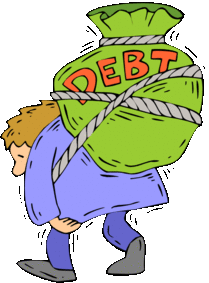
Debt Forgiveness: Is It The Debtors Or Creditors Total Debt Relief?
Debt forgiveness in something the debtors in a dire state would like to avail. It can lessen your outstanding balance and it can give you a respite of paying an amount of money you can’t afford for the time being. But there is more to debt forgiveness than what is popularly known. It is best to understand it fully before seeking out your creditors for it.
By definition, debt forgiveness is the writing off of up to 70% of your outstanding debt by your creditor. This is applicable between an individual and a lending institution or between countries. This usually occurs when, after all considerations and options explored, you are deemed unable to continue paying your outstanding balance.
Credit card companies, lending institutions, banks and the government award debt forgiveness. Debt forgiven by banks is not entirely cancelled or written off as paid. The debt will continue to remain on your credit record for seven years.
How does it happen?
Debt forgiveness occurs if it is apparent that the debtor is no longer capable of paying the debt. Of course there is a need to apply for it with your creditors. Debt forgiveness between nations occurs when one nation is stricken by a calamity. Crippling a country recovering from natural calamity will not benefit the creditor nations. This is why debt forgiveness is granted.
How to qualify for debt forgiveness?
Debt forgiveness happens only in special circumstances. If you have lost your job suddenly or there is a death in the family and brought about financial hardship, you can qualify for debt forgiveness. But this is only possible if you have no previous delinquent record and your bill payment for the month is behind for at least 90 days.
Why creditors grant debt forgiveness?
The objective of debt forgiveness is not only to help you settle your debts. This is a form of loan modification that will allow the creditors minimize their lost of revenue. This will also minimize their cost in debt collection. There are also laws that enable creditors to apply for tax deduction on forgiven debt. This will decrease their lost of revenue. And with the economic condition at the moment, creditors are willing to part with 70% of their collectibles from you and get what they can. In this way, debt forgiveness will not only benefit you but your creditors as well.
Cons of having debt forgiveness
However, before plunging in, you must know that there are consequences in debt forgiveness for you. Debt forgiveness will pull your credit score down and will continue to do so until your debts are settled. For credit card debt forgiveness, if you have more than one card, other credit card companies will raise the interest rate of your card. You will be seen as bigger risk by other creditors. This will also be detrimental if you have mortgage plans.
There are other ways that will help you with your debt in times of financial crisis. You can ask your creditor for lower rates or negotiate for waiving your late fees. Getting debt forgiveness is only advantageous if you settle your remaining debt quickly. This will prevent lost of credit score and affecting your other debts or mortgages.